
What is Spinal Cord Injury Rehabilitation?
Spinal Cord Injury (SCI) Rehabilitation is a specialized, long-term program designed to help patients recover
maximum possible function, independence, and quality of life after damage to the spinal cord.
Depending on the level and severity of the injury, a person may experience weakness, paralysis, changes in sensation,
balance difficulties, bladder and bowel issues, or limitations in daily activities.
Structured rehabilitation is essential to restore movement, prevent complications, and support physical and emotional adaptation.
Common Effects of Spinal Cord Injury
- Weakness or paralysis in the arms, legs, or both (paraplegia or tetraplegia)
- Loss or alteration of sensation below the level of injury
- Difficulty with balance and trunk control
- Muscle spasticity, stiffness, or involuntary movements
- Reduced endurance and cardiovascular capacity
- Joint stiffness and contractures due to immobility
- Risk of pressure sores and skin breakdown
- Bladder, bowel, and respiratory challenges
Goals of Spinal Cord Injury Rehabilitation
- Maximize independence in mobility and self-care
- Improve strength, flexibility, and endurance
- Prevent complications related to immobility
- Enhance trunk control and sitting balance
- Improve wheelchair skills or walking ability, if possible
- Support reintegration into home, work, and community life
Our Rehabilitation Approach
At AwaHope, SCI rehabilitation is highly individualized and goal-oriented.
We carefully assess each patient’s neurological level, motor and sensory function, medical status,
and personal goals to create a structured and realistic rehabilitation plan.
Treatment Methods
1. Neurophysiotherapy & Mobility Training
- Facilitation techniques to activate available muscle groups
- Bed mobility training (rolling, bridging, sitting up)
- Transfer training (bed to wheelchair, chair to toilet, etc.)
- Balance and sitting control exercises on mat or therapy surfaces
2. Gait & Wheelchair Training
- Gait training with assistive devices or orthoses for incomplete injuries
- Wheelchair mobility skills (propulsion, turning, ramps, uneven surfaces)
- Advanced wheelchair handling for independence indoors and outdoors
3. Strengthening & Conditioning
- Strengthening of available upper and lower limb muscles
- Trunk and core training for stability and posture
- Endurance exercises to improve cardiovascular fitness and participation
4. Spasticity & Contracture Management
- Regular stretching and range of motion exercises
- Positioning programs to protect joints and prevent deformities
- Splinting, bracing, or seating adjustments when needed
5. BTL Technologies in SCI Rehabilitation
- BTL Electrotherapy: to stimulate weak or inactive muscles, assist in neuromuscular re-education, and reduce pain
- BTL TECAR Therapy: to improve circulation, decrease pain, and support soft tissue health around overloaded joints
- BTL Ultrasound Therapy: for local soft tissue treatment in areas of tightness or overload
6. Respiratory & Postural Care (If Required)
- Breathing exercises to maintain lung capacity and chest mobility
- Postural training to reduce risk of respiratory and cardiac complications
7. Functional & Daily Activity Training
- Practice of dressing, grooming, and personal hygiene (in coordination with occupational therapy where available)
- Training in safe techniques for transfers and daily routines at home
- Energy conservation and pacing strategies
8. Skin Integrity & Pressure Sore Prevention
- Education on pressure relief techniques in bed and wheelchair
- Positioning schedules and proper cushion or mattress use
- Visual inspection routines for early detection of skin problems
9. Education, Family & Psychosocial Support
- Family training for safe assistance and transfers
- Education on lifestyle modifications and long-term health maintenance
- Supportive guidance to promote independence, confidence, and community participation
Recovery & Expectations
Recovery after spinal cord injury is a long-term process and varies greatly depending on the injury level and completeness.
While some functions may not fully return, many patients achieve meaningful improvements in independence, mobility,
and quality of life with consistent rehabilitation and ongoing support.
Our focus is on maximizing potential, preventing complications, and empowering each patient in their rehabilitation journey.
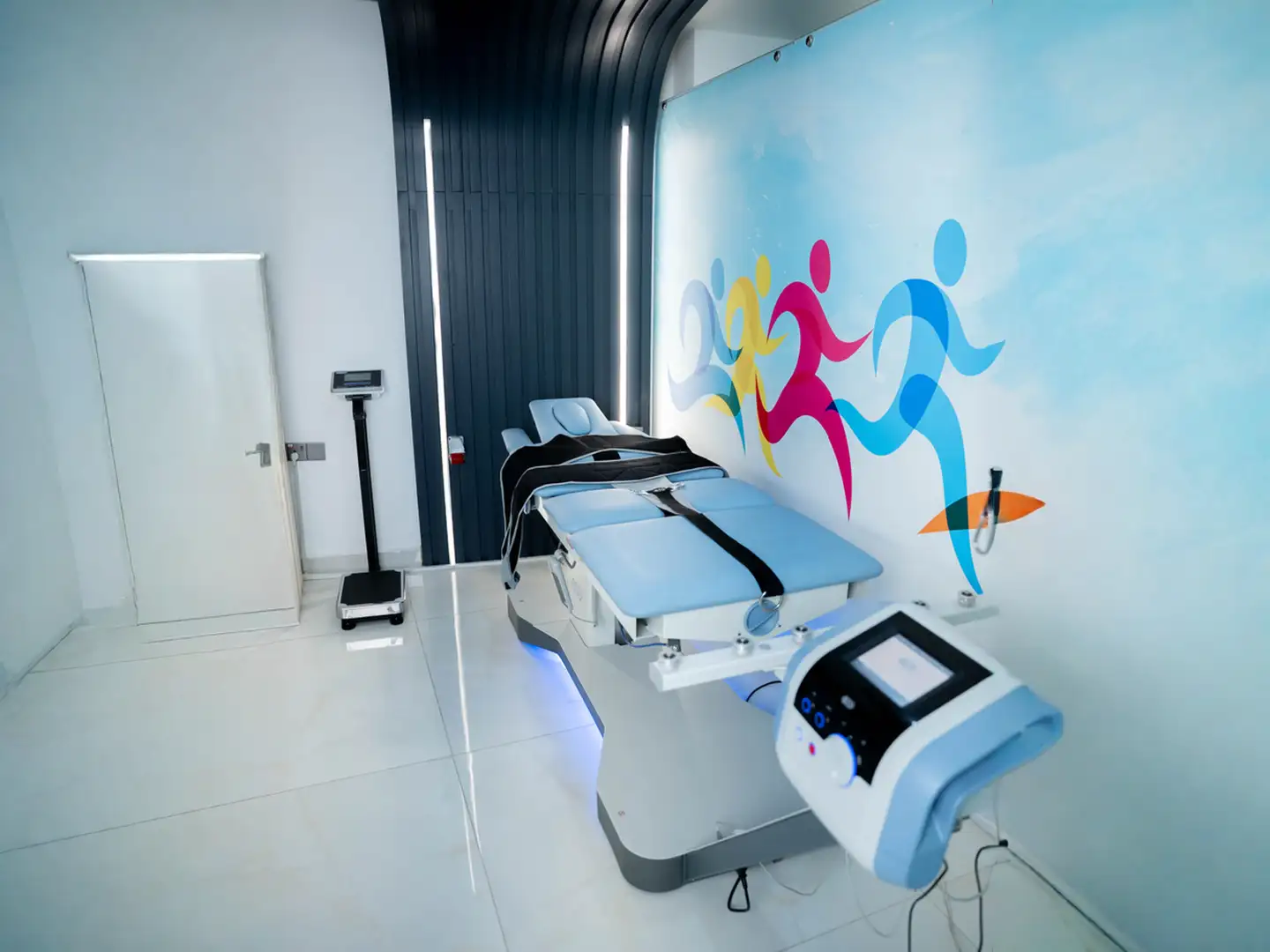
In Our Centre…
At AwaHope, we provide comprehensive Spinal Cord Injury Rehabilitation using advanced technologies,
specialized neurophysiotherapy, and a supportive, patient-centered approach.
We are committed to helping patients and families adapt, progress, and achieve the highest possible level of independence.






