
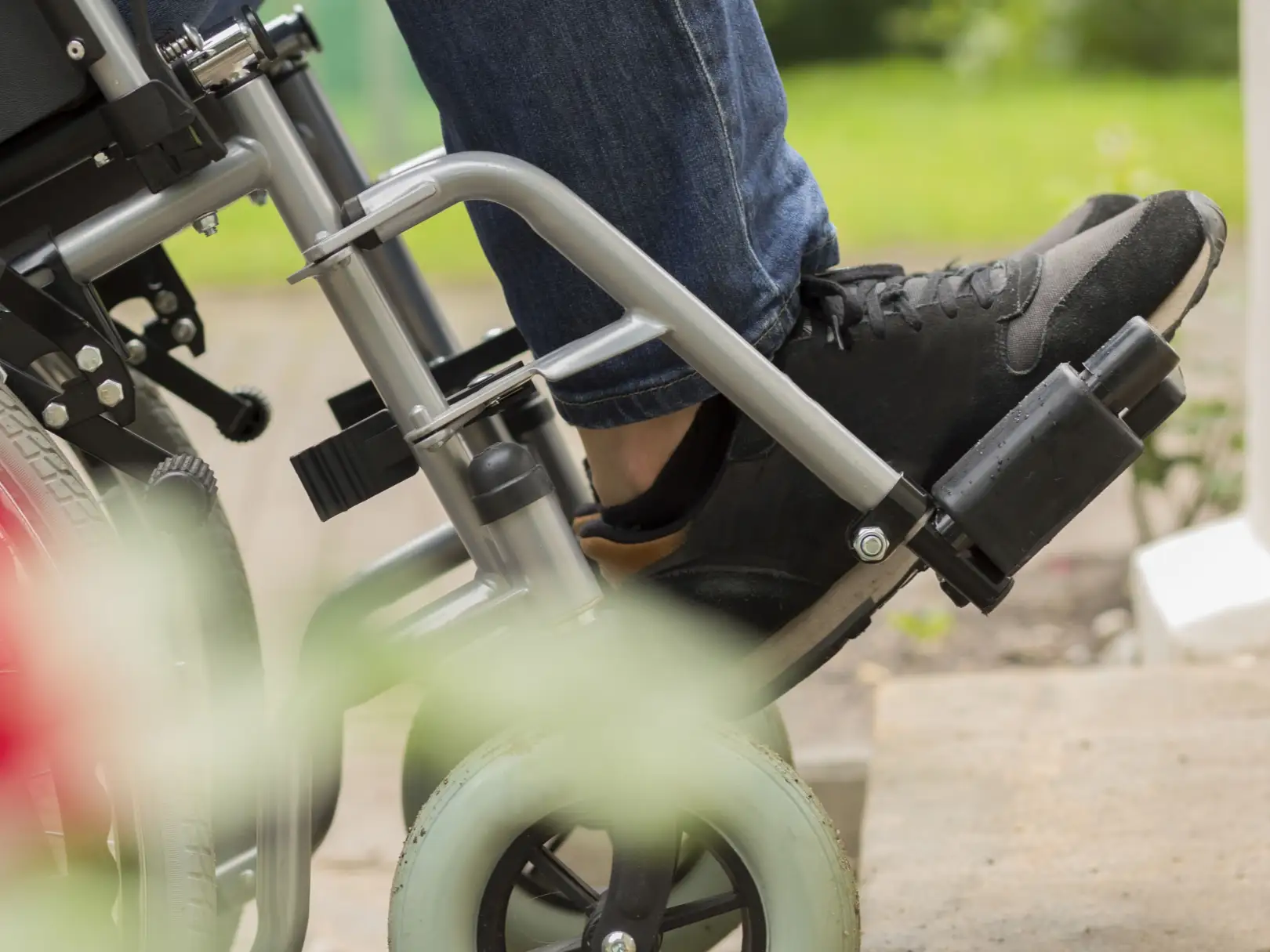
What is Cerebral Palsy?
Cerebral Palsy (CP) is a group of neurological disorders caused by abnormal brain development or brain damage
occurring before, during, or shortly after birth.
It affects muscle tone, movement, coordination, and posture.
While CP is a lifelong condition, early and continuous rehabilitation significantly improves mobility, independence,
and quality of life.
Treatment focuses on developing functional skills, preventing complications, and maximizing the child’s physical potential.
Common Symptoms of Cerebral Palsy
- Muscle stiffness (spasticity) or low muscle tone
- Difficulty walking or delayed motor milestones
- Balance and coordination problems
- Abnormal movement patterns
- Joint stiffness or contractures
- Weakness in arms, legs, or trunk
- Difficulty with fine motor skills (grasping, writing)
- Challenges with posture and sitting control
- In some cases, speech or swallowing difficulties
Types of Cerebral Palsy
- Spastic CP: characterized by stiff, tight muscles and movement difficulty
- Dyskinetic CP: involuntary, fluctuating movements
- Ataxic CP: balance and coordination challenges
- Mixed CP: combination of symptoms from different types
Goals of Cerebral Palsy Rehabilitation
- Improve mobility, strength, and coordination
- Enhance balance and posture
- Reduce muscle stiffness and prevent contractures
- Improve functional independence in daily activities
- Support cognitive and sensory development
- Enhance quality of life for both child and family
Our Rehabilitation Approach
At AwaHope, Cerebral Palsy treatment is individualized according to the child’s age, motor abilities,
type of CP, and personal goals.
Therapy focuses on functional movement, strengthening, mobility, and sensory-motor development.
Family education is a major component of the treatment plan.
Treatment Methods
1. Neurodevelopmental Therapy (NDT)
- Promotes normal movement patterns
- Improves posture, trunk control, and balance
- Helps reduce abnormal reflexes and muscle tone
2. Strengthening & Functional Training
- Exercises to improve trunk, leg, and arm strength
- Practice of everyday activities like sitting, standing, and walking
- Task-oriented motor learning to build independence
3. Stretching & Spasticity Management
- Gentle stretching routines to reduce muscle tightness
- Positioning techniques to prevent contractures
- Use of splints or orthoses for alignment support
4. Balance & Coordination Training
- Exercises to improve stability while sitting or standing
- Activities to enhance gait and reduce fall risk
- Coordination tasks for hand and upper limb function
5. Gait Training & Mobility Support
- Training with walkers, canes, or mobility aids when needed
- Strengthening muscles required for walking and standing
- Improving stride, weight shifting, and body alignment
6. Sensory-Motor Integration
- Activities to improve body awareness and sensory processing
- Stimulation to support fine motor development
- Engaging play-based exercises for younger children
7. BTL Technologies in CP Rehabilitation
- BTL Electrotherapy: used for muscle activation and reducing spasticity under professional guidance
- BTL TECAR Therapy: helps relax tight muscles and improve movement comfort
- BTL Ultrasound Therapy: supports soft tissue flexibility
8. Assistive Devices & Orthotics
- Ankle-foot orthoses (AFOs) for gait and alignment support
- Upper limb splints for improved hand function
- Adaptive seating to promote posture and comfort
9. Family Education & Home Program
- Guidance for parents on safe handling and exercise at home
- Strategies to support daily routines and promote independence
- Education about long-term management and expectations
Recovery & Expectations
Cerebral Palsy is a lifelong condition, but children who receive consistent physiotherapy show significant improvements in mobility,
flexibility, strength, communication, and independence.
Early intervention is key for long-term success, but meaningful gains can be made at any age.
In Our Centre…
At AwaHope, we provide a comprehensive and compassionate Cerebral Palsy Treatment Program
using advanced physiotherapy technologies, neurodevelopmental techniques, and individualized care.
We work closely with families to ensure each child receives the support and guidance needed for meaningful progress and improved quality of life.






