
What is Stroke Rehabilitation?
Stroke Rehabilitation is a specialized program designed to help patients recover movement, strength, balance, speech,
and independence after a stroke.
A stroke can affect the brain’s ability to control muscles, sensation, coordination, and cognition.
Early and structured rehabilitation is essential to restore function, prevent complications, and improve quality of life.
Common Symptoms After Stroke
- Weakness or paralysis on one side of the body (face, arm, or leg)
- Difficulty walking or maintaining balance
- Reduced coordination and control of movements
- Speech and communication difficulties
- Changes in sensation, such as numbness or tingling
- Shoulder pain or joint stiffness due to immobility
- Fatigue and reduced endurance
- Problems with memory, attention, or planning
Goals of Stroke Rehabilitation
- Maximize independence in daily activities
- Improve walking, balance, and coordination
- Restore strength and functional use of affected limbs
- Prevent joint stiffness, contractures, and complications
- Reduce pain and muscle spasticity
- Enhance confidence, safety, and quality of life
Our Rehabilitation Approach
At AwaHope, stroke rehabilitation is highly individualized.
We work closely with each patient to develop a program that matches their abilities, goals, and stage of recovery.
Therapy may begin in the early subacute phase and continue as the patient progresses.
Treatment Methods
1. Neurophysiotherapy & Movement Re-education
- Task-specific training to practice everyday movements
- Facilitation techniques to activate weak muscles
- Gait training with or without assistive devices
- Balance and coordination exercises to reduce fall risk
2. Strengthening & Conditioning
- Progressive strengthening of affected and unaffected limbs
- Trunk control and core stability exercises
- Endurance training to improve walking distance and activity tolerance
3. Spasticity & Muscle Tone Management
- Positioning and stretching to reduce muscle tightness
- Passive and active range of motion exercises
- Splinting or support as needed to protect joints
4. Upper Limb Functional Rehabilitation
- Hand and arm coordination exercises
- Fine motor training for daily tasks (grasping, feeding, dressing)
- Task-oriented practice such as reaching, gripping, and manipulating objects
5. Balance & Gait Training
- Static and dynamic balance exercises
- Gait training on level ground and stairs
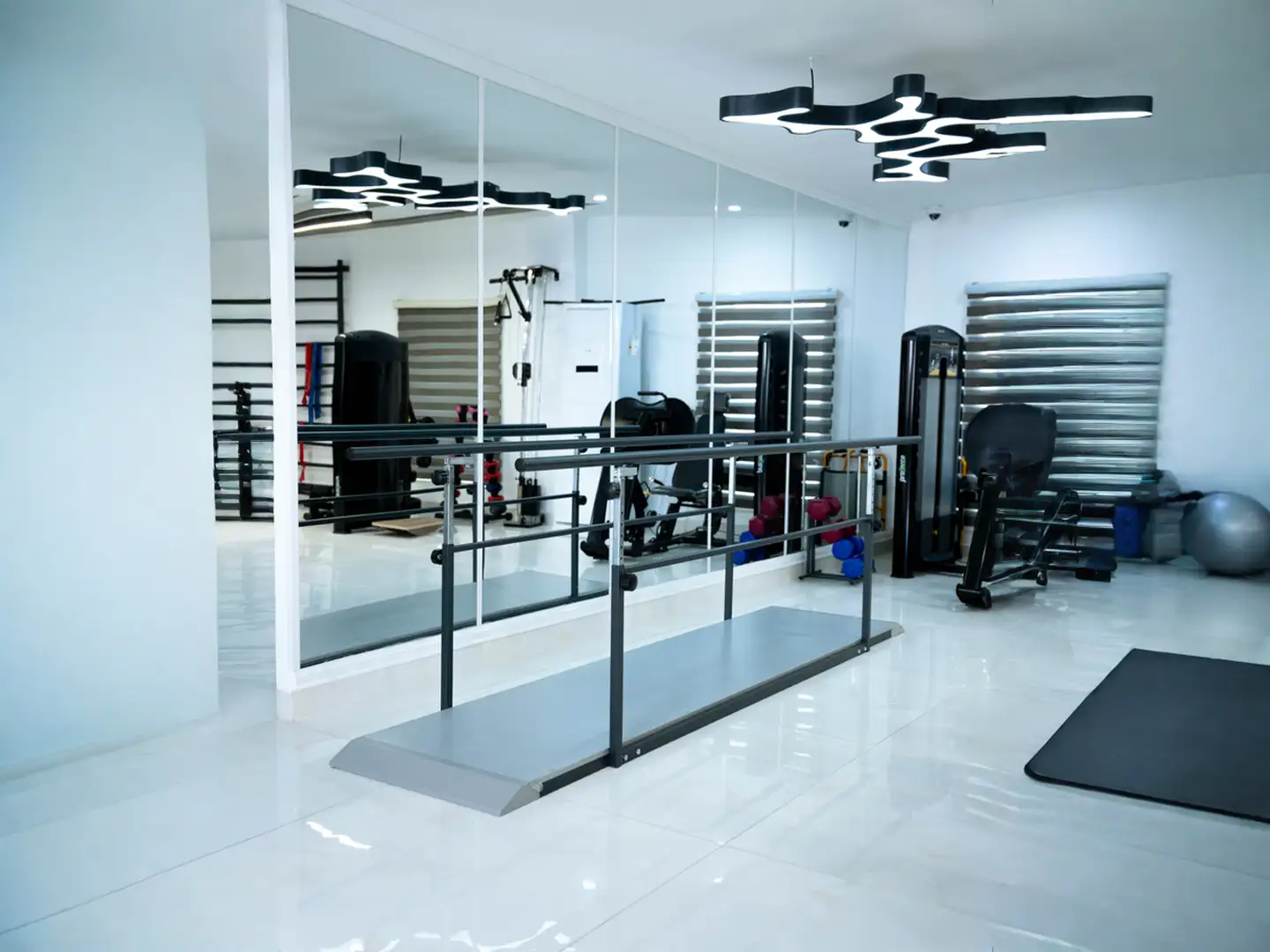
- Use of parallel bars, supports, or aids when needed
6. BTL Technologies in Stroke Rehabilitation
- BTL Electrotherapy: to stimulate weak muscles and improve neuromuscular activation
- BTL TECAR Therapy: to reduce pain, support soft tissue healing, and improve circulation
- BTL Ultrasound Therapy: to manage soft tissue tightness and support joint mobility
7. Functional Training for Daily Activities
- Transfers (bed to chair, sit to stand)
- Gait and stair negotiation
- Self-care training such as dressing, hygiene, and feeding (in collaboration with occupational therapy when available)
8. Education & Family Involvement
- Home exercise program and positioning guidance
- Training caregivers on safe assistance techniques
- Education about stroke risk factors and prevention of complications
Recovery & Expectations
Every stroke is different, and recovery varies from person to person.
With early, intensive, and consistent rehabilitation, many patients regain significant function and independence.
Our focus is on steady progress, achievable goals, and long-term support for both patient and family.
In Our Centre…
At AwaHope, our multidisciplinary stroke rehabilitation combines advanced physiotherapy technology,
evidence-based neurorehabilitation techniques, and compassionate care to support each stage of recovery
and help patients return to the highest possible level of independence.






