
What is Cervical Stenosis?
Cervical stenosis is a condition where the spinal canal in the neck becomes narrowed, placing pressure on the spinal cord
or surrounding nerves. This can lead to neck pain, stiffness, numbness, and in advanced cases, difficulty with movement and coordination.
It often develops due to age-related degeneration, disc bulging, arthritis, or ligament thickening.
Symptoms
- Neck pain and stiffness
- Numbness or tingling in the arms, hands, or shoulders
- Weakness in the upper limbs
- Loss of fine motor skills in severe cases
- Pain that worsens with standing or walking
- Balance difficulties or unsteady gait in advanced stages
Causes of Cervical Stenosis
- Age-related degeneration of spinal discs and joints
- Bulging or herniated cervical discs
- Thickening of ligaments around the spinal canal
- Arthritis affecting the cervical spine
- Bone spurs (osteophytes)
- Congenital spinal narrowing or genetic predisposition
Diagnosis
Diagnosis involves a detailed physical and neurological assessment focusing on mobility, sensation, muscle strength, and reflexes.
External imaging tests such as MRI or X-ray may be recommended to determine the degree of canal narrowing and cord involvement.
Treatment & Rehabilitation Approach
At AwaHope, rehabilitation for cervical stenosis aims to reduce nerve pressure, improve neck mobility, relieve pain, and
strengthen supporting muscles to maintain safe and efficient movement. Treatment is customized based on symptoms and severity.
Treatment Methods
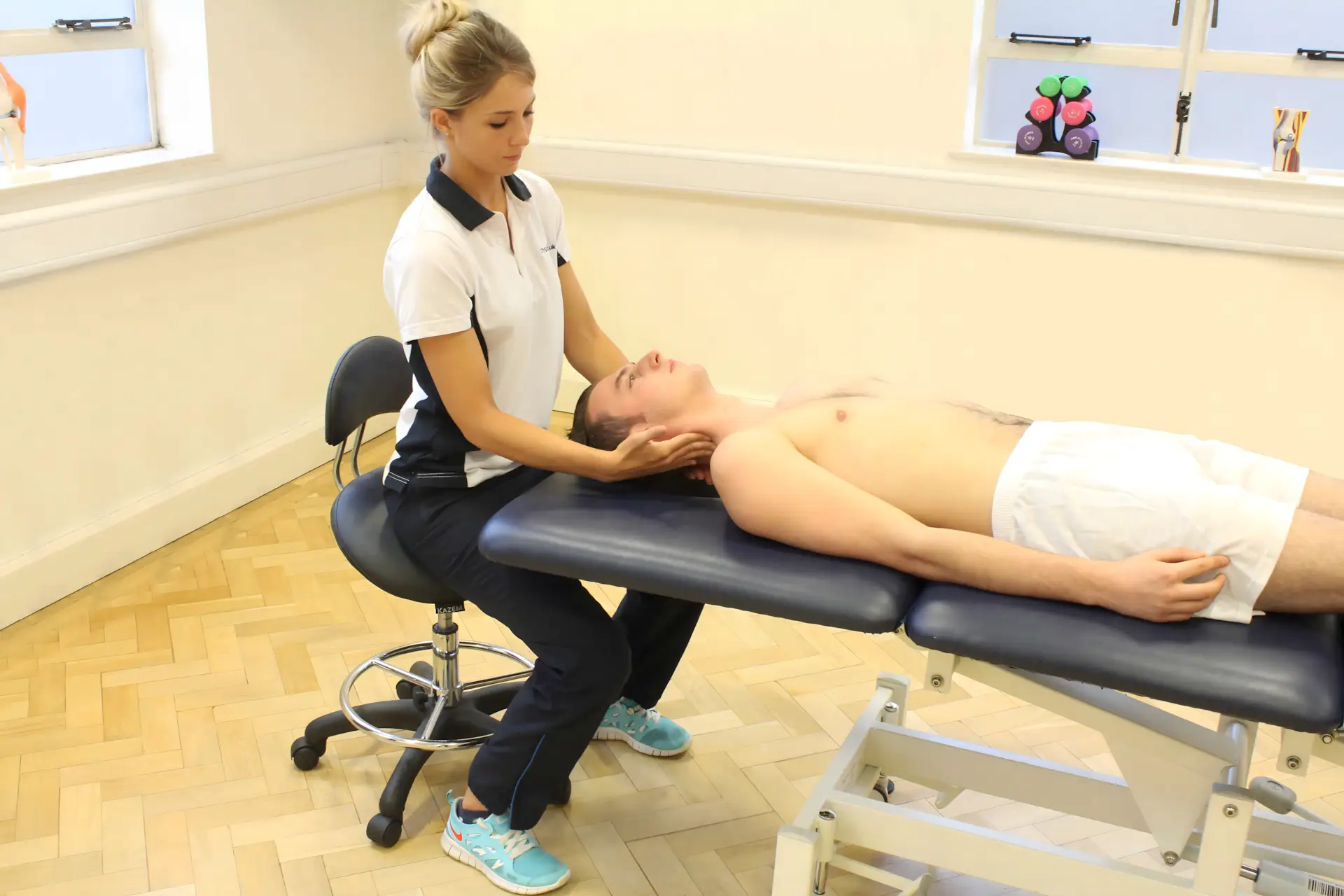
1. Manual Therapy
- Gentle joint mobilization to improve cervical mobility
- Soft tissue release for neck and upper back tension
- Myofascial techniques to reduce stiffness
2. Cervical Traction Therapy
Helps create space within the spinal canal, reducing pressure on nerves and relieving radiating symptoms in the arms and shoulders.
3. BTL TECAR Therapy
Enhances tissue healing, reduces inflammation, and provides deep warmth to support muscle relaxation and improved mobility.
4. BTL Electrotherapy
Helps reduce nerve irritation, decrease muscle spasms, and improve neuromuscular control.
5. BTL Ultrasound Therapy
Supports soft tissue healing, reduces inflammation, and improves flexibility around the cervical spine.
6. Exercise Therapy & Strengthening
Programs typically include:
- Cervical stabilization and strengthening exercises
- Posture correction to reduce cervical load
- Upper back and shoulder strengthening
- Flexibility and mobility exercises
- Balance and coordination training for advanced cases
7. Heat & Cold Therapy
- Heat therapy to relax stiff muscles
- Cold therapy during inflammatory flare-ups
Recovery & Expectations
Symptom improvement varies depending on the severity of stenosis, but many patients experience reduced pain, better neck movement,
and improved daily function. Early and consistent rehabilitation significantly improves long-term outcomes.
In Our Centre…
At AwaHope, we combine advanced physiotherapy technologies, skilled manual therapy, and individualized exercise programs to help patients
manage cervical stenosis effectively. Our aim is to reduce nerve compression, restore mobility, and enhance overall quality of life.






