
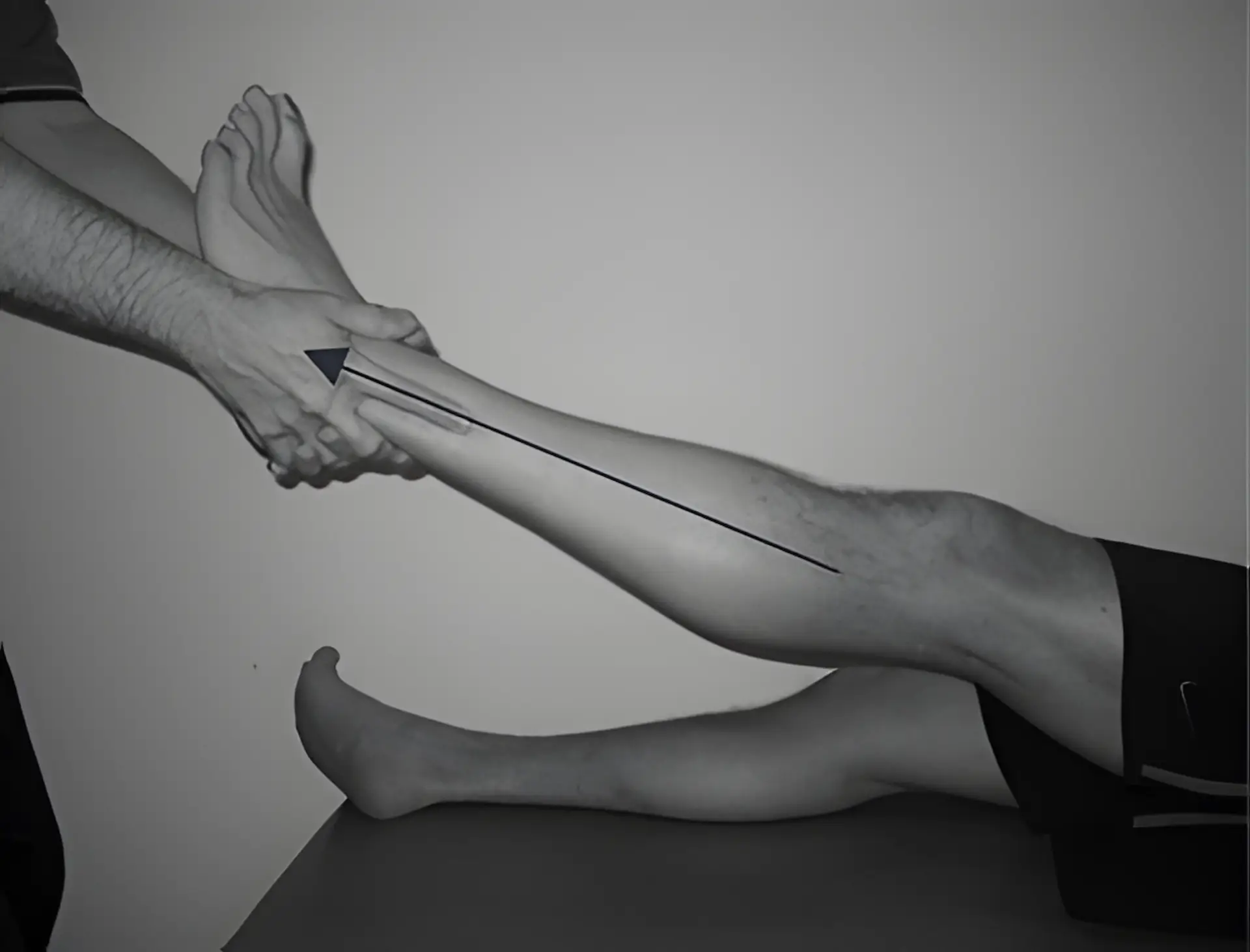
What is Piriformis Syndrome?
Piriformis syndrome occurs when the piriformis muscle, located deep in the buttock, compresses or irritates the sciatic nerve.
This can cause buttock pain, radiating leg pain, numbness, or tingling similar to sciatica. The condition often results from muscle tightness,
overuse, prolonged sitting, trauma, or biomechanical imbalances around the hips and pelvis.
Symptoms
- Deep buttock pain, often on one side
- Pain radiating to the back of the thigh or leg
- Numbness or tingling along the sciatic nerve
- Pain that worsens with sitting or climbing stairs
- Tightness in the hip and gluteal muscles
- Difficulty with prolonged walking or running
Causes of Piriformis Syndrome
- Tight or overactive piriformis muscle
- Prolonged sitting or improper posture
- Overuse from running or repetitive hip movements
- Trauma or falls affecting the buttock area
- Muscle imbalances around the hips and pelvis
- Anatomical variations affecting the sciatic nerve pathway
Diagnosis
Diagnosis includes a physical assessment of hip mobility, muscle tightness, gait patterns, and trigger points around the buttock.
Special clinical tests help differentiate piriformis syndrome from true sciatica. External imaging may be recommended to rule out other causes.
Treatment & Rehabilitation Approach
At AwaHope, rehabilitation for piriformis syndrome focuses on relieving sciatic nerve pressure, restoring hip mobility, reducing muscle tightness,
and strengthening surrounding muscles to prevent recurrence. Treatment is customized to each patient’s condition and functional needs.
Treatment Methods
1. Manual Therapy
- Deep soft tissue release of the piriformis and gluteal muscles
- Myofascial techniques to reduce tightness and improve flexibility
- Pelvic and hip mobilization to improve alignment and movement
2. Dry Needling
Targeted needling of trigger points in the piriformis muscle helps reduce spasms, relieve pressure on the sciatic nerve,
and restore normal muscle function.
3. BTL TECAR Therapy
Provides deep thermal stimulation to reduce inflammation, improve blood flow, and relax tight muscles around the hip.
4. BTL Ultrasound Therapy
Helps improve soft tissue elasticity and reduces deep muscle irritation contributing to nerve compression.
5. BTL Electrotherapy
Reduces sciatic nerve pain, decreases muscle spasms, and improves neuromuscular control.
6. Stretching & Mobility Exercises
Programs include:
- Piriformis and gluteal muscle stretching
- Hip external and internal rotation mobility
- Hamstring and lower back flexibility training
7. Strengthening & Movement Retraining
- Core and pelvic stability exercises
- Hip strengthening to correct muscle imbalances
- Gait retraining to improve walking mechanics
8. Heat & Cold Therapy
- Heat to relax tight muscles
- Cold to reduce inflammation around the sciatic nerve
Recovery & Expectations
Most patients experience significant relief with consistent physiotherapy. Addressing muscle imbalance and improving hip mobility
are key to long-term recovery and preventing recurrence.
In Our Centre…
At AwaHope, we use a combination of advanced physiotherapy technologies, manual techniques, and targeted exercise programs
to treat piriformis syndrome effectively. Our goal is to relieve sciatic nerve irritation, restore mobility, and help patients
return to daily activities without pain.






