
What is Coccydynia?
Coccydynia refers to pain in the coccyx, or tailbone, typically caused by trauma, prolonged sitting, childbirth, or poor posture.
The pain may be sharp or aching and often worsens when sitting, standing up from a seated position, or leaning backward.
Although not dangerous, coccydynia can significantly affect comfort and daily mobility if not treated properly.
Symptoms
- Localized pain at the tailbone
- Pain worsened by sitting, especially on hard surfaces
- Difficulty standing up from a seated position
- Increased discomfort when leaning backward
- Pain during bowel movements or sexual activity (in some cases)
- Sensitivity or swelling around the coccyx area
Causes of Coccydynia
- Falls or direct trauma to the tailbone
- Prolonged sitting or poor sitting posture
- Childbirth-related strain
- Hyper- or hypomobility of the coccyx
- Tight pelvic floor or gluteal muscles
- Degenerative changes or inflammation around the coccyx
Diagnosis
Diagnosis includes assessing tailbone mobility, pelvic alignment, muscle tension, and sitting posture.
External imaging such as X-ray or MRI may be recommended to rule out fractures or structural abnormalities.
Treatment & Rehabilitation Approach
At AwaHope, treatment focuses on reducing pain, improving pelvic alignment, relaxing tight muscles,
and teaching proper sitting mechanics to prevent recurrence.
Treatment Methods
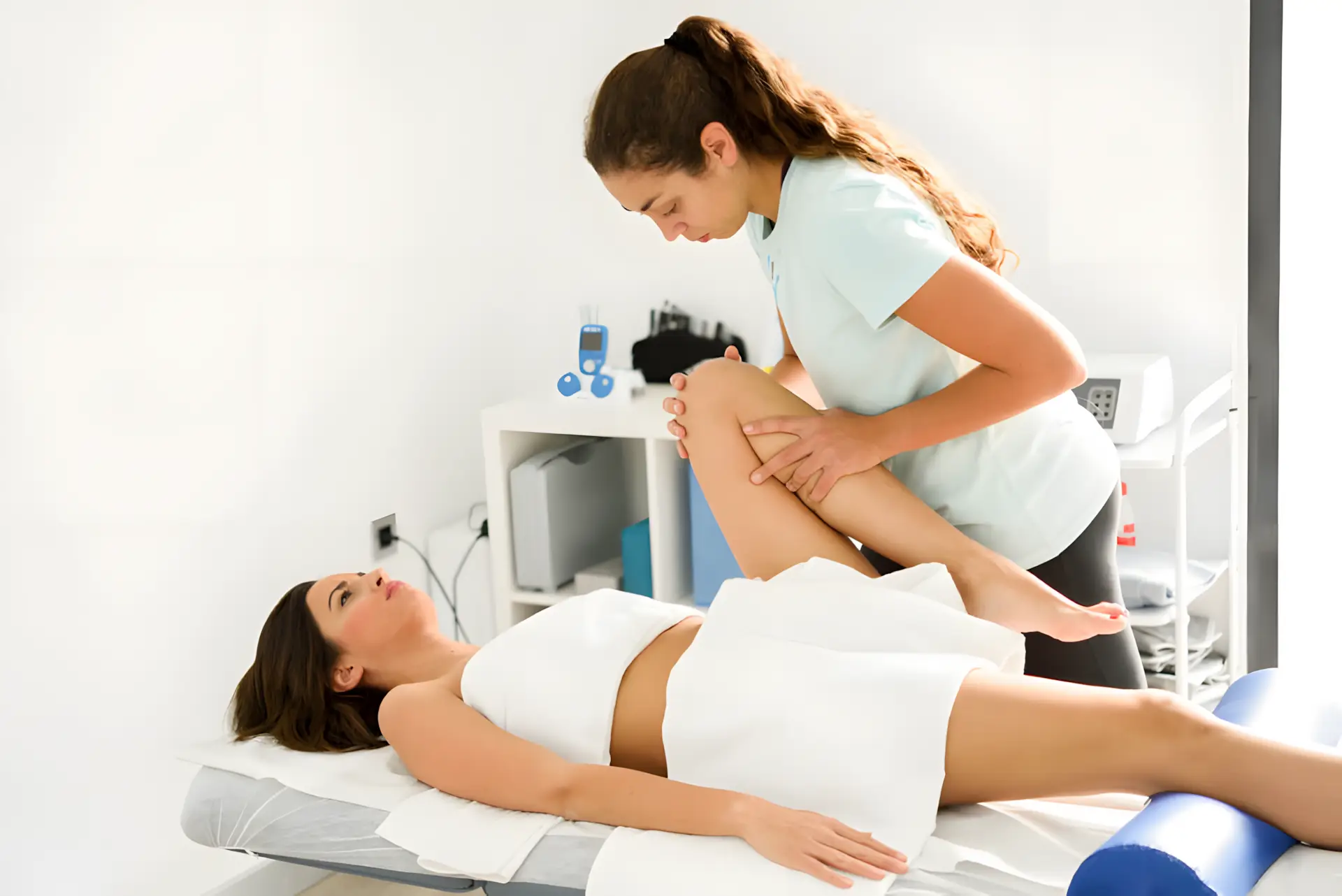
1. Manual Therapy
- Soft tissue release around the coccyx, gluteal, and pelvic muscles
- Myofascial techniques to reduce tension affecting the tailbone
- Joint mobilization when the coccyx has restricted movement
2. BTL TECAR Therapy
Provides deep thermal treatment to reduce inflammation, ease pain, and promote healing in the coccyx and surrounding tissues.
3. BTL Ultrasound Therapy
Helps reduce deep soft tissue irritation and improves flexibility in the pelvic region.
4. BTL Electrotherapy
Relieves pain, decreases muscle tension, and supports neuromuscular function.
5. Stretching & Mobility Exercises
Programs may include:
- Gentle pelvic and hip mobility exercises
- Stretching tight gluteal and lower lumbar muscles
- Pelvic floor relaxation techniques (as needed)
6. Sitting Posture Education
- Correcting sitting posture to reduce pressure on the coccyx
- Using cushions or ergonomic supports
7. Strengthening & Stabilization Exercises
- Core strengthening to support pelvic alignment
- Hip and lower back strengthening for balanced movement
8. Heat & Cold Therapy
- Heat to reduce muscle tightness
- Cold to reduce inflammation after sitting or activity
Recovery & Expectations
Most patients experience significant improvement with physiotherapy, especially when posture and muscle imbalances are corrected.
Recovery time varies depending on the cause, but consistent therapy reduces pain and restores comfortable daily movement.
In Our Centre…
At AwaHope, we use targeted manual therapy, advanced physiotherapy technologies, and personalized exercise programs
to effectively treat coccydynia. Our goal is to relieve pain, improve mobility, and help patients sit and move comfortably again.






