
What is Myofascial Pain Syndrome?
Myofascial Pain Syndrome (MPS) is a chronic muscle pain condition characterized by tight, sensitive areas known as trigger points.
These trigger points can cause localized pain or refer pain to other areas such as the neck, back, shoulders, hips, or limbs.
MPS often results from muscle overuse, stress, poor posture, or injury, and can significantly limit mobility and daily functioning.
Symptoms
- Deep, aching muscle pain
- Trigger points that are tender to touch
- Pain that radiates to other areas
- Muscle tightness and stiffness
- Reduced range of motion
- Fatigue or heaviness in the affected muscles
- Headaches or referred pain patterns (depending on location)
Causes of Myofascial Pain Syndrome
- Muscle overuse or repetitive strain
- Poor posture during work or daily activities
- Stress and psychological tension
- Trauma such as falls or accidents
- Prolonged immobility or sedentary lifestyle
- Nutritional deficiencies or sleep disturbances
- Underlying musculoskeletal imbalances
Diagnosis
Diagnosis is based on physical evaluation including palpation of trigger points, assessment of muscle tightness, posture,
and movement patterns. Imaging is typically not required unless ruling out other conditions.
Treatment & Rehabilitation Approach
At AwaHope, treatment focuses on releasing trigger points, improving muscle flexibility, restoring functional movement,
and addressing underlying postural or biomechanical causes. Rehabilitation plans are customized to each patient’s pain patterns
and lifestyle needs.
Treatment Methods
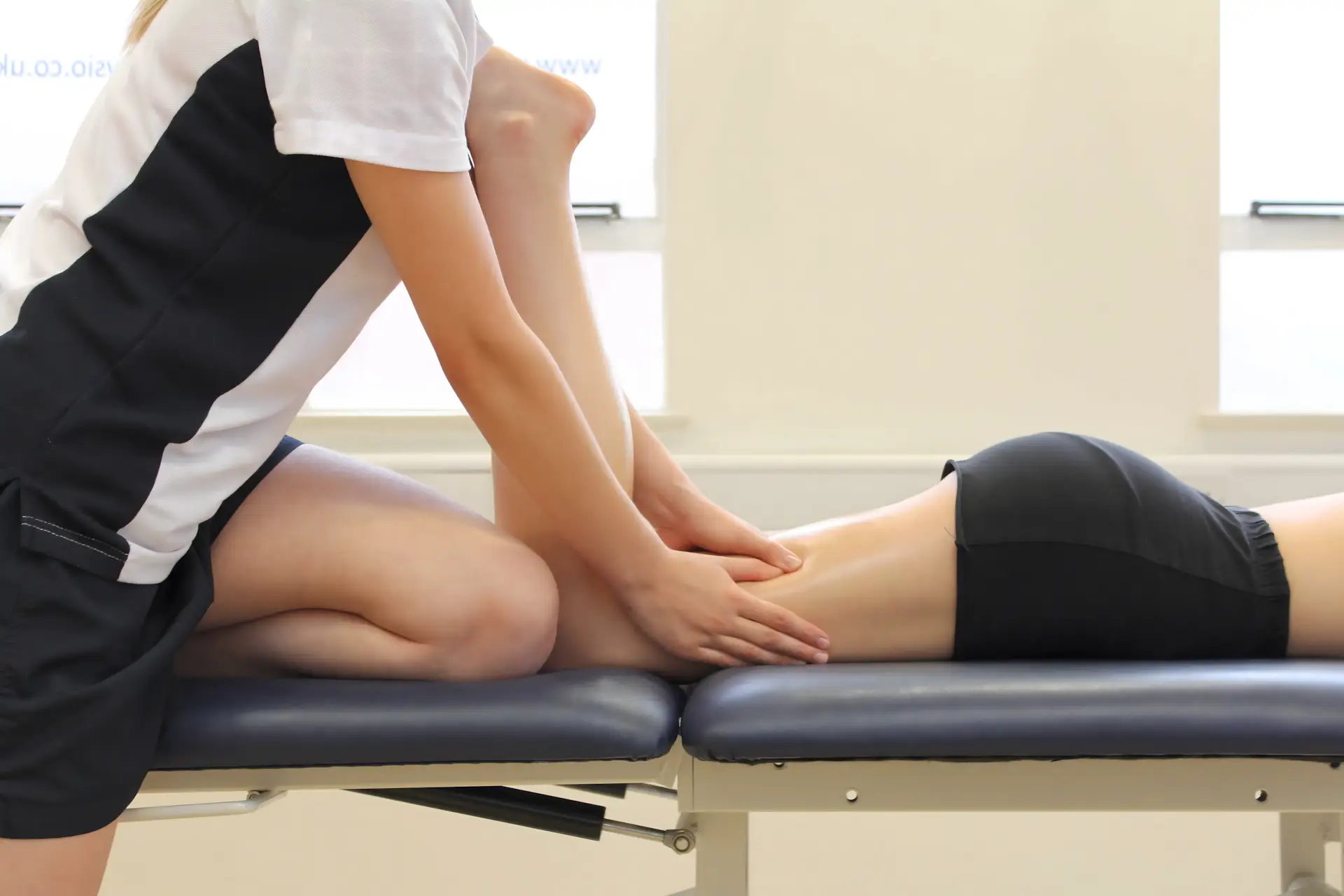
1. Manual Therapy
- Trigger point release techniques
- Deep tissue massage to relax tight muscle bands
- Myofascial release to improve tissue elasticity
2. Dry Needling
Helps deactivate trigger points quickly, reduce muscle tension, and relieve pain.
3. BTL TECAR Therapy
Provides deep thermal stimulation to enhance circulation, reduce inflammation, and accelerate healing.
4. BTL Ultrasound Therapy
Helps soften tight tissues and decrease deep muscle irritation associated with trigger points.
5. BTL Electrotherapy
Reduces pain, controls muscle spasms, and improves neuromuscular function.
6. Stretching & Mobility Exercises
Programs include:
- Stretching tight muscle groups
- Mobility exercises for affected areas
- Breathing and relaxation techniques to reduce tension
7. Strengthening & Posture Correction
- Strengthening weak muscle groups to restore balance
- Postural retraining to reduce mechanical stress on muscles
- Workplace and daily ergonomic guidance
8. Heat & Cold Therapy
- Heat to relax tight muscles and improve blood flow
- Cold during flare-ups to reduce inflammation
Recovery & Expectations
Many patients experience significant improvement when trigger points are released and underlying biomechanical issues are addressed.
Long-term success depends on consistent stretching, strengthening, and managing lifestyle factors such as posture and stress.
In Our Centre…
At AwaHope, we combine advanced physiotherapy equipment, skilled manual therapy, and personalized exercise programs
to effectively treat Myofascial Pain Syndrome. Our aim is to reduce pain, restore mobility, and improve long-term muscle health
for optimal daily function.






