
What is Cervical Instability?
Cervical instability occurs when the structures that support the neck — including ligaments, discs, and muscles —
are unable to maintain proper alignment and control during movement. This can lead to excessive or abnormal motion between vertebrae,
causing neck pain, headaches, muscle spasms, and neurological symptoms. It often develops after trauma, repetitive strain, degenerative changes,
or chronic poor posture.
Symptoms
- Chronic or intermittent neck pain
- Sensation of weakness or instability in the neck
- Headaches, especially at the base of the skull
- Increased pain with neck movement or prolonged posture
- Muscle tightness in the neck and upper back
- Clicking or grinding sensations during neck movement
- Dizziness or lightheadedness in some cases
- Numbness or tingling in the arms (if nerves are involved)
Causes of Cervical Instability
- Whiplash or traumatic neck injuries
- Degenerative cervical disc disease
- Weak deep neck flexors and upper back muscles
- Poor posture and forward head position
- Repetitive strain or overuse
- Ligament laxity or overstretching
- Inflammatory conditions affecting the cervical spine
Diagnosis
Diagnosis involves assessing cervical mobility, muscle strength, posture, and neurological symptoms.
Special stability tests help identify excessive motion. External imaging such as X-ray or MRI may be used if structural issues are suspected.
Treatment & Rehabilitation Approach
At AwaHope, rehabilitation focuses on improving neck stability, strengthening weak muscles, reducing pain,
and restoring normal movement control. Conservative treatment is highly effective when performed consistently.
Treatment Methods
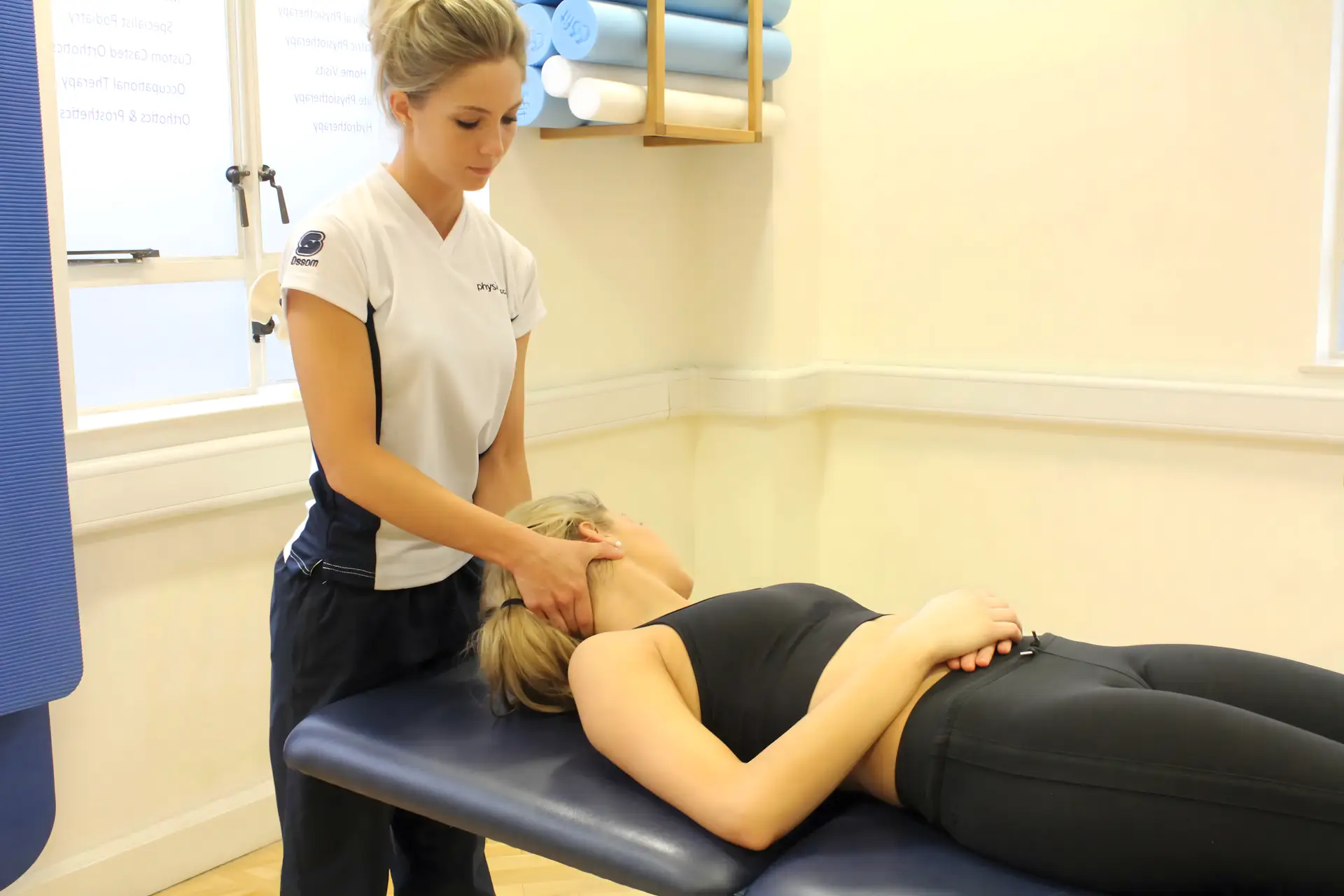
1. Manual Therapy
- Gentle cervical mobilization to improve joint function
- Soft tissue release for tight and overactive muscles
- Myofascial techniques to improve flexibility and reduce tension
2. BTL TECAR Therapy
Provides deep heat to relax muscles, reduce inflammation, and promote healing in the cervical structures.
3. BTL Ultrasound Therapy
Reduces deep soft tissue irritation and enhances flexibility in the cervical region.
4. BTL Electrotherapy
Helps relieve pain, reduce spasms, and improve neuromuscular activation in weak stabilizing muscles.
5. Deep Neck Flexor Strengthening
Essential exercises that retrain the deep stabilizing muscles of the neck to provide proper support and control.
6. Scapular & Upper Back Strengthening
- Strengthening of rhomboids, lower trapezius, and serratus anterior
- Improves posture and reduces cervical load
7. Posture Correction & Movement Retraining
- Training to correct forward head posture
- Workstation and daily activity posture education
- Movement drills to improve cervical stability and control
8. Mobility & Flexibility Training
- Chest and upper back stretching
- Controlled mobility exercises for the cervical spine
9. Heat & Cold Therapy
- Heat to relax tense muscles
- Cold to reduce inflammation during flare-ups
Recovery & Expectations
Most patients improve significantly with consistent strengthening and postural correction.
Long-term recovery depends on building neck stability and avoiding repetitive strain or poor posture habits.
In Our Centre…
At AwaHope, we use advanced physiotherapy technologies, expert manual therapy, and customized exercise programs
to effectively treat cervical instability. Our goal is to restore neck control, reduce pain, and support strong, confident movement.






