
What is Disc Rehydration Therapy?
Disc Rehydration Therapy is a targeted rehabilitation program designed to improve the hydration, nutrition, and health
of intervertebral discs. Over time, spinal discs can lose water content due to aging, poor posture, prolonged sitting,
repetitive strain, or degenerative disc disease.
This dehydration reduces disc height, increases stiffness, and contributes to back pain and nerve irritation.
The goal of disc rehydration therapy is to restore disc elasticity, reduce pressure, and support long-term spinal health.
Symptoms of Disc Dehydration
- Dull or sharp lower back pain
- Stiffness after sitting or waking up
- Pain during bending, lifting, or twisting
- Reduced disc height seen on imaging
- Nerve symptoms such as tingling or mild radiating pain (in some cases)
- Fatigue and muscle tension in the lower back
Causes of Disc Dehydration
- Natural aging and wear
- Poor posture and forward flexion habits
- Prolonged sitting or sedentary lifestyle
- Repetitive spinal loading without adequate recovery
- Weak core and stabilizing muscles
- Chronic spinal compression from poor movement mechanics
- Dehydration or poor general nutrition
Diagnosis
Diagnosis is based on symptom assessment, movement analysis, and imaging studies such as MRI,
which can show disc height reduction or loss of hydration signal.
The program is designed for early to moderate disc degeneration or dehydration.
Treatment & Rehabilitation Approach
At AwaHope, Disc Rehydration Therapy combines decompression, mobility, strengthening, and advanced physiotherapy modalities
to optimize disc nutrition and restore healthy movement patterns.
The program is non-invasive and tailored to the patient’s spinal condition and lifestyle.
Treatment Methods
1. Spinal Decompression Therapy
Gently reduces pressure on spinal discs, creating a vacuum effect that encourages fluid and nutrient exchange.
This is one of the most effective non-surgical methods for disc rehydration.
2. BTL TECAR Therapy
Increases circulation, supports tissue healing, and reduces chronic stiffness around the spine,
improving conditions for disc recovery.
3. BTL Ultrasound Therapy
Helps soften tight tissues, improve mobility, and enhance nutrient flow to spinal structures.
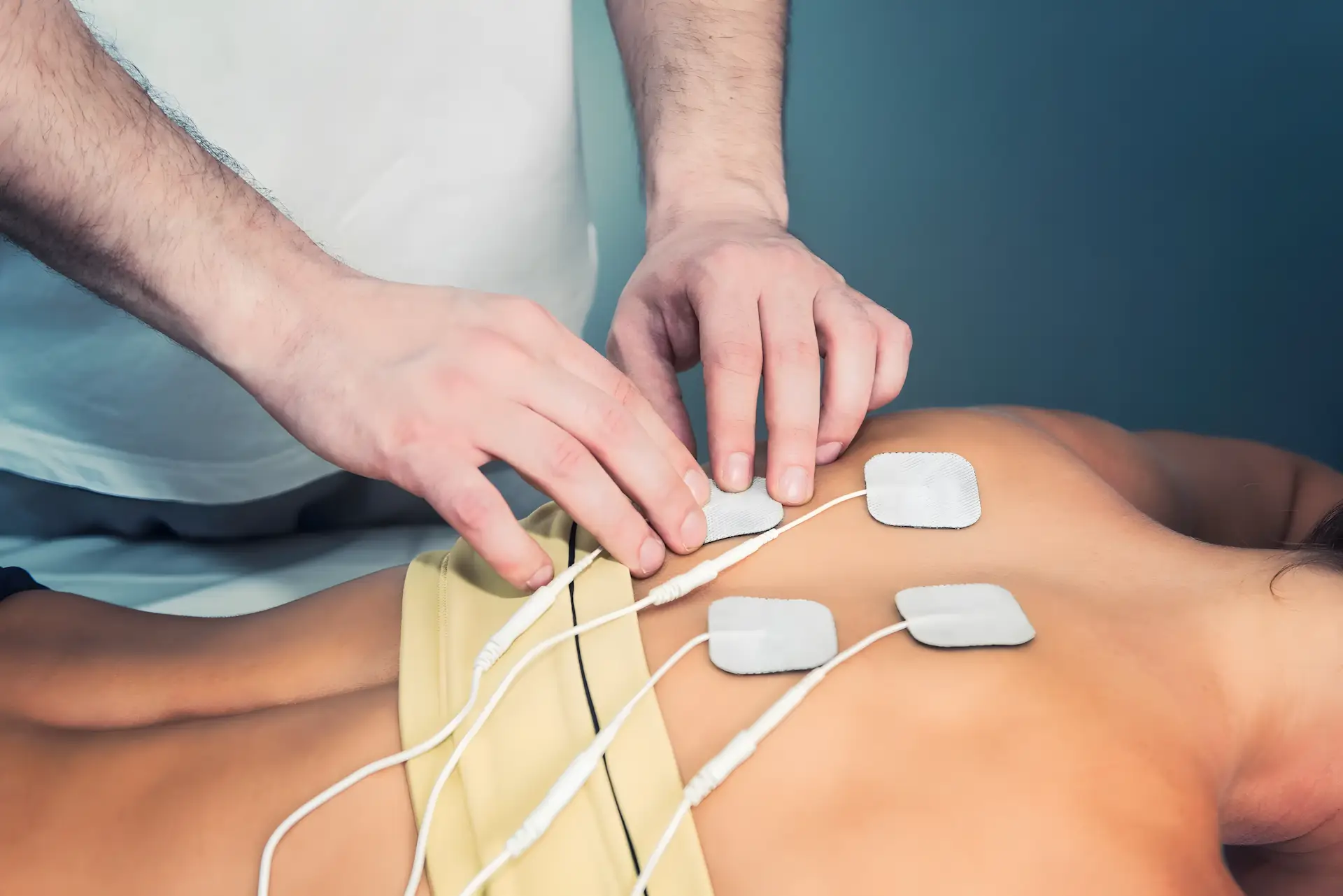
4. BTL Electrotherapy
Provides pain relief, reduces muscle spasm, and supports activation of stabilizing muscles around the lumbar spine.
5. Hydration & Mobility Exercises
Focused on improving disc nutrition through movement:
- Gentle spinal mobility drills
- Cat-camel and segmental flexion/extension exercises
- Hip and thoracic mobility to reduce lumbar overload
6. Core Stabilization Program
Essential for long-term disc health:
- Deep core muscle activation
- Neutral spine control exercises
- Anti-extension and anti-rotation strengthening
- Glute and hip strengthening to support lumbar alignment
7. Posture & Ergonomic Training
- Guidance for sitting, standing, and lifting safely
- Strategies to reduce daily spinal compression
- Workstation setup to support lumbar posture
8. Hydration & Lifestyle Recommendations
- Daily hydration requirements for disc health
- Activity routines that promote spinal fluid exchange
- Nutrition recommendations for collagen and tissue repair
Recovery & Expectations
Disc rehydration is a gradual process, but patients often experience improvements in mobility, pain reduction,
and overall spinal comfort within weeks.
Long-term benefits include better disc resilience, reduced nerve irritation, and improved posture and movement control.
In Our Centre…
At AwaHope, we combine advanced physiotherapy technologies with evidence-based movement programs
to support disc healing and restore spinal health.
Our Disc Rehydration Therapy Program is designed for long-term recovery and prevention of further degeneration.






