
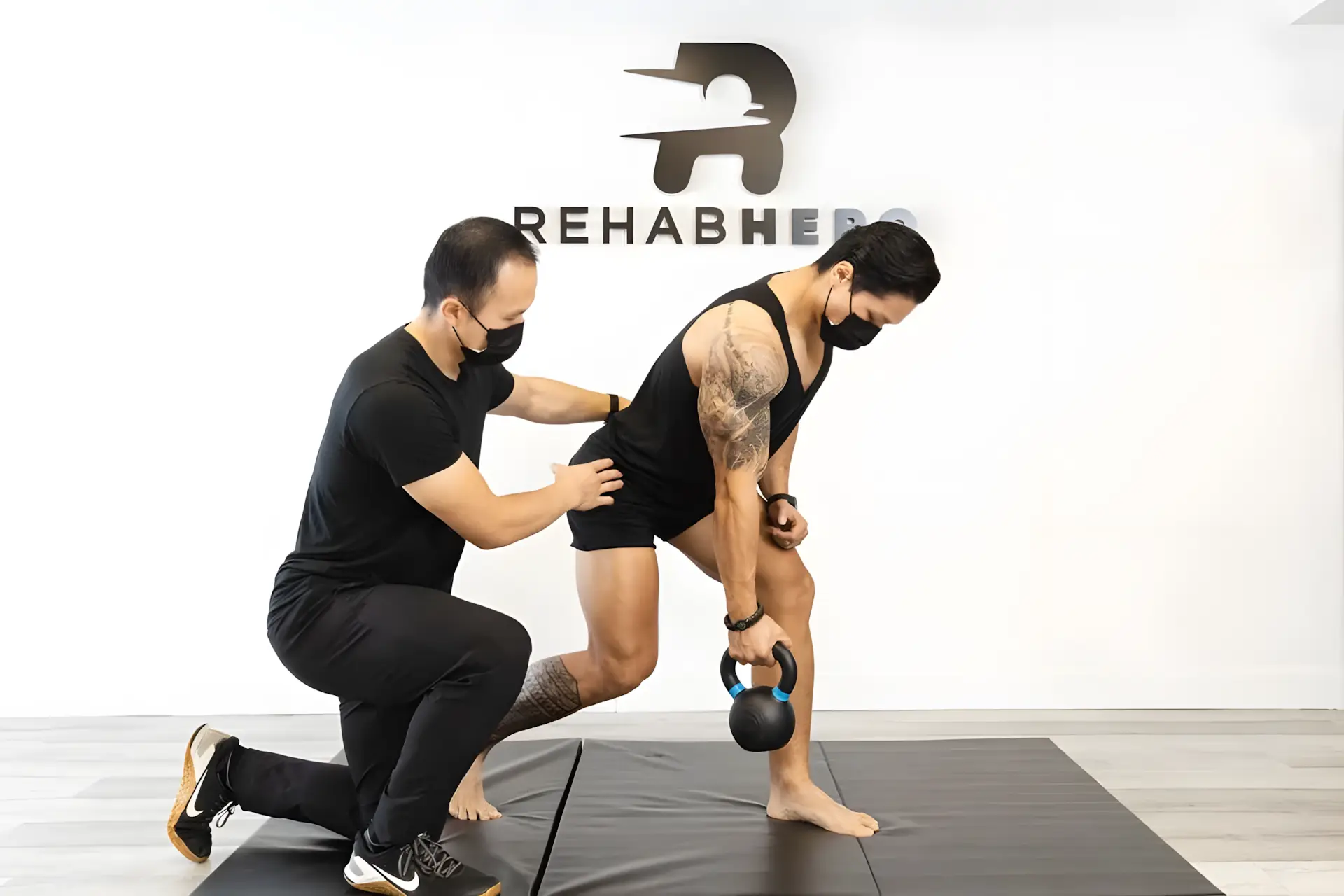
What is Lumbar Instability?
Lumbar instability occurs when the structures that support the lower spine — such as ligaments, discs, and muscles —
fail to maintain normal alignment and control during movement. This can cause excessive motion between vertebrae,
leading to pain, stiffness, muscle spasms, and difficulty performing daily activities. Lumbar instability is often associated
with degeneration, previous injury, weak core muscles, or repetitive strain.
Symptoms
- Lower back pain that worsens with movement
- Sensation of “giving way” or instability in the lower back
- Sharp pain during bending or twisting
- Muscle spasms around the lumbar spine
- Stiffness after prolonged rest
- Pain that improves with support or rest
- Difficulty maintaining posture for long periods
Causes of Lumbar Instability
- Degenerative disc disease or spinal degeneration
- Weak core and spinal stabilizing muscles
- Previous lumbar injury or trauma
- Repetitive bending, lifting, or twisting
- Ligament laxity or overstretching
- Poor posture and improper movement mechanics
Diagnosis
Diagnosis includes assessing lumbar mobility, core stability, muscle strength, and movement patterns. Special tests help identify
excessive spinal motion. External imaging such as X-ray or MRI may support diagnosis in more advanced cases.
Treatment & Rehabilitation Approach
At AwaHope, treatment focuses on improving spinal stability, strengthening core and hip muscles, retraining movement patterns,
and reducing pain. A structured and progressive rehabilitation program is essential for long-term recovery and preventing recurrence.
Treatment Methods
1. Manual Therapy
- Soft tissue release to reduce muscle tension and spasms
- Joint mobilization to improve spinal and pelvic alignment
- Myofascial techniques to enhance mobility and comfort
2. BTL TECAR Therapy
Provides deep heat that reduces inflammation, improves muscle relaxation, and accelerates healing in the lumbar region.
3. BTL Ultrasound Therapy
Helps reduce deep muscle irritation and improves lumbar soft tissue elasticity.
4. BTL Electrotherapy
Reduces pain, decreases muscle spasms, and enhances neuromuscular activation for better spinal control.
5. Core Strengthening & Stabilization Exercises
Programs include:
- Deep core activation exercises for improved spine support
- Progressive strengthening of abdominal and back muscles
- Pelvic stability training to correct movement imbalances
- Hip strengthening for improved lower limb mechanics
6. Functional Movement Retraining
- Training safe bending and lifting techniques
- Postural correction for daily and work activities
- Movement drills that improve lumbar control
7. Mobility & Flexibility Work
- Stretching tight hip flexors, hamstrings, and lower back muscles
- Mobility training for the lumbar and thoracic spine
8. Heat & Cold Therapy
- Heat to relax tight muscles and improve mobility
- Cold to reduce inflammation after flare-ups or activity
Recovery & Expectations
Most patients improve significantly with a structured strengthening and movement program. Core stability is essential
for long-term success, and consistent training helps prevent future episodes of instability and pain.
In Our Centre…
At AwaHope, we use a combination of advanced physiotherapy technologies, expert manual therapy, and targeted exercise programs
to treat lumbar instability effectively. Our goal is to restore spinal control, reduce pain, and support confident, stable movement.






