
What is Sacroiliac Joint Dysfunction?
Sacroiliac (SI) joint dysfunction occurs when the joint connecting the spine to the pelvis becomes irritated, inflamed, or overly mobile.
This condition often causes lower back or buttock pain and can radiate to the groin or legs. SI joint dysfunction commonly results from
muscle imbalances, pregnancy, trauma, poor posture, or abnormal movement patterns.
Symptoms
- Lower back or buttock pain on one or both sides
- Pain that worsens when standing up from sitting
- Pain when climbing stairs, walking, or standing for long periods
- Discomfort radiating to the groin or thigh
- Stiffness and reduced pelvic mobility
- In some cases, clicking or instability sensations in the pelvis
Causes of Sacroiliac Joint Dysfunction
- Muscle imbalances around the pelvis and spine
- Pregnancy-related ligament laxity
- Trauma or falls affecting the pelvis
- Poor posture and prolonged sitting
- Leg length discrepancies or abnormal gait patterns
- Arthritis affecting the SI joint
Diagnosis
Diagnosis includes a clinical assessment of pelvic alignment, movement, muscle tightness, and functional mobility.
Special SI joint tests help identify the source of pain. External imaging such as X-ray or MRI may be used if needed.
Treatment & Rehabilitation Approach
At AwaHope, rehabilitation for SI joint dysfunction focuses on restoring pelvic stability, reducing inflammation,
improving movement patterns, and strengthening core and hip muscles. Treatment is customized for each patient’s symptoms and mobility levels.
Treatment Methods
1. Manual Therapy
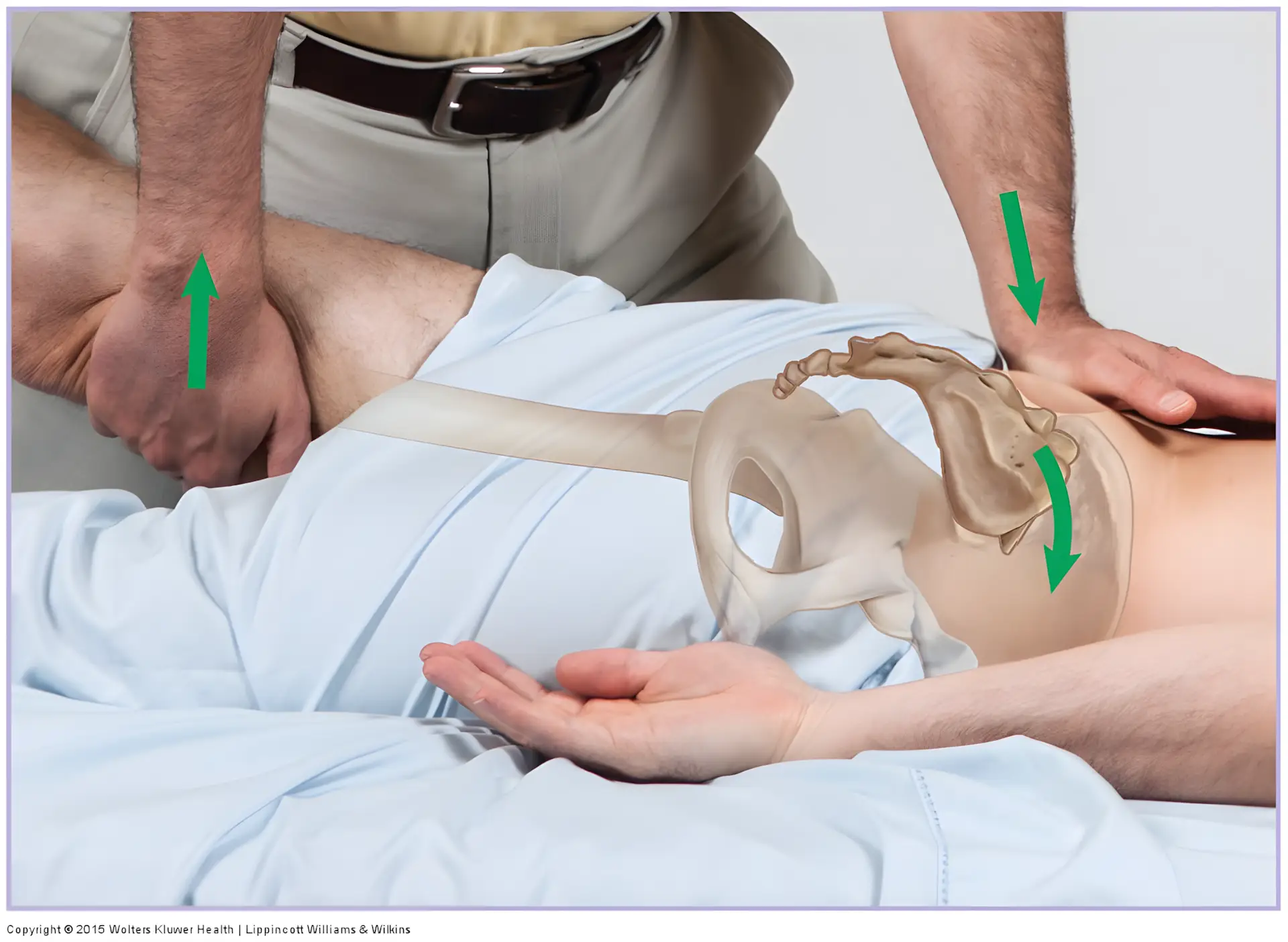
- Pelvic alignment techniques to improve joint positioning
- Soft tissue release for tight lumbar, hip, and gluteal muscles
- Joint mobilization to improve SI joint movement
2. BTL TECAR Therapy
Reduces inflammation, improves circulation, and accelerates healing in the SI joint and surrounding tissues.
3. BTL Electrotherapy
Helps relieve pain, reduce muscle spasms, and support neuromuscular control around the pelvis.
4. BTL Ultrasound Therapy
Provides deep tissue treatment to reduce inflammation and stiffness around the SI joint.
5. Core & Hip Strengthening Exercises
Programs typically include:
- Core stability training to support pelvic alignment
- Hip strengthening to improve load distribution
- Glute activation exercises for pelvic stability
- Movement retraining to correct gait abnormalities
6. Flexibility & Mobility Training
- Stretching tight hip flexors, hamstrings, and gluteal muscles
- Mobility exercises to improve pelvic movement and reduce stiffness
7. Heat & Cold Therapy
- Heat to relax tight muscles and increase mobility
- Cold during flare-ups to reduce inflammation and pain
Recovery & Expectations
Many patients experience significant improvement through consistent physiotherapy. Restoring pelvic stability and correcting
movement patterns helps prevent pain recurrence and improves long-term function.
In Our Centre…
At AwaHope, we combine skilled manual therapy, advanced physiotherapy technologies, and personalized exercise programs
to restore SI joint stability and reduce pain. Our goal is to help patients regain comfort, mobility, and confidence in their daily activities.






