
What is Scoliosis?
Scoliosis is a condition where the spine curves sideways, often forming an “S” or “C” shape.
It can develop during childhood or adulthood and may cause muscle imbalance, back pain, postural changes,
and reduced mobility. While some cases are mild, others may progress over time if not managed properly.
Physiotherapy plays a crucial role in improving alignment, strengthening supportive muscles, and enhancing overall function.
Symptoms
- Visible curve or asymmetry in the spine
- Uneven shoulders or hips
- Back pain or stiffness
- Muscle imbalance around the spine
- One shoulder blade appearing more prominent
- Reduced spinal mobility
- Fatigue after standing or sitting for long periods
Causes of Scoliosis
- Idiopathic (unknown cause) — the most common type
- Congenital spine abnormalities
- Neuromuscular conditions (less common)
- Degenerative changes in adults
- Poor posture contributing to functional scoliosis
Diagnosis
Diagnosis includes postural evaluation, spinal mobility testing, muscle assessment, and functional movement analysis.
External imaging (X-ray) is often used to measure the degree of curvature (Cobb angle).
Treatment & Rehabilitation Approach
At AwaHope, our goal is to reduce pain, improve posture, slow curve progression, and enhance spinal stability.
A customized rehabilitation plan is created based on the type and severity of scoliosis.
Treatment Methods
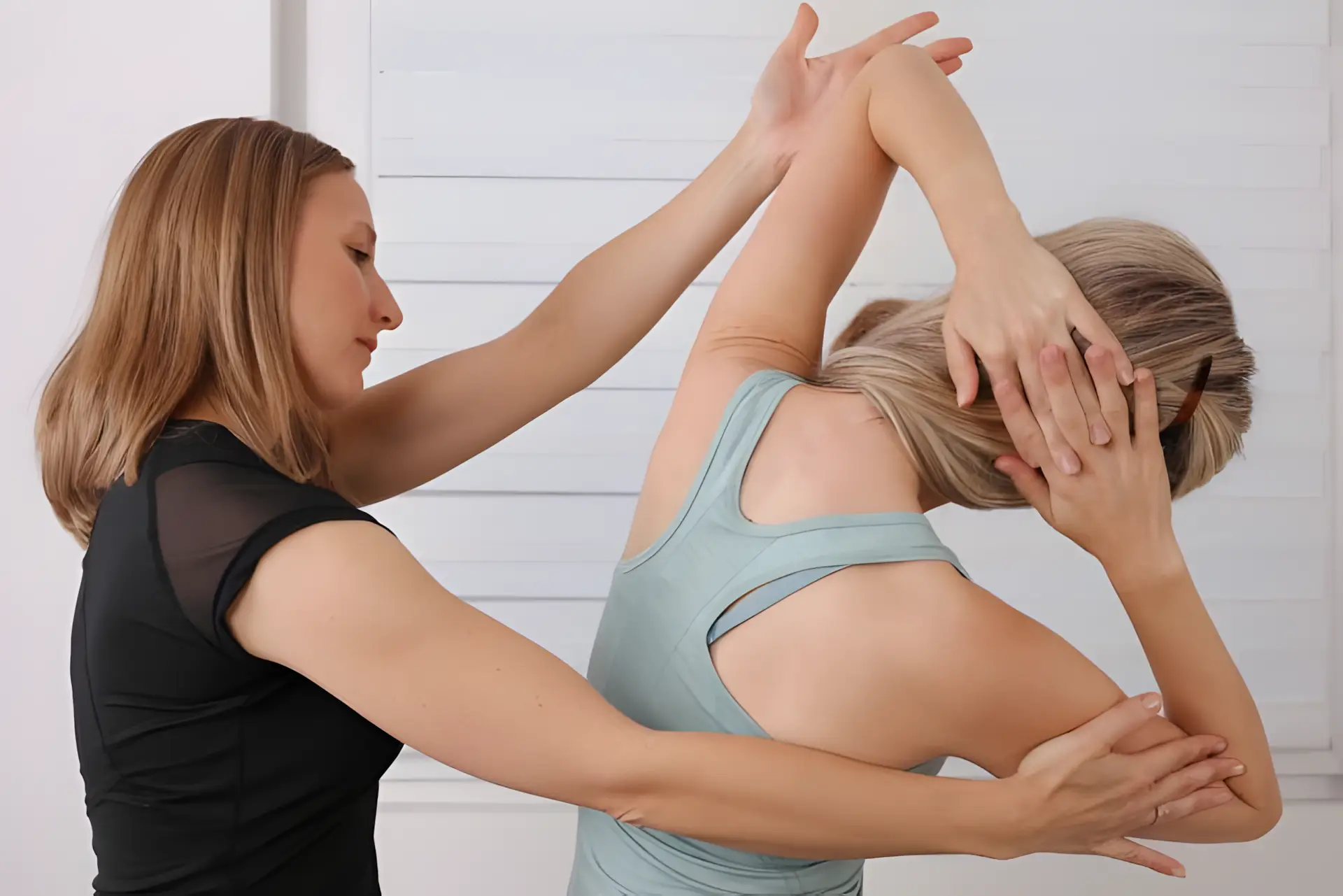
1. Manual Therapy
- Soft tissue release to reduce tightness on the concave side of the curve
- Joint mobilization to improve spinal flexibility
- Myofascial release to balance tension along the spine
2. BTL TECAR Therapy
Helps relax overactive muscles, reduce pain, and improve circulation in areas affected by spinal curvature.
3. BTL Ultrasound Therapy
Reduces deep muscle stiffness and improves the flexibility of structures around the scoliosis curve.
4. BTL Electrotherapy
Decreases pain, supports weakened muscles, and enhances neuromuscular activation.
5. Scoliosis-Specific Exercises
Programs focus on:
- Corrective breathing techniques
- Spinal elongation and de-rotation exercises
- Strengthening weak muscles along the convex side
- Stretching tight muscles on the concave side
6. Core & Postural Strengthening
- Core activation to support spinal alignment
- Upper and lower back strengthening
- Improving balance and stability
7. Mobility & Flexibility Training
- Thoracic and lumbar mobility drills
- Stretching chest, hip, and back muscles
8. Posture & Ergonomic Education
- Guidance on proper sitting, standing, and lifting
- Customized ergonomic recommendations for daily life
9. Heat & Cold Therapy
- Heat to relax tight muscles around the curve
- Cold during discomfort or inflammation
Recovery & Expectations
With consistent therapy, most patients experience improved posture, reduced pain, and better spinal mobility.
While scoliosis cannot always be reversed, rehabilitation can significantly slow progression and enhance quality of life.
In Our Centre…
At AwaHope, we use advanced technologies, hands-on therapy, and scoliosis-specific exercise programs
to support patients of all ages. Our goal is to improve alignment, reduce discomfort,
and help patients move with confidence and stability.






