
What is Scoliosis?
Scoliosis is a condition where the spine curves sideways in an “S” or “C” shape. It can occur in children, adolescents, or adults and may result
from structural abnormalities, muscle imbalances, or unknown causes. Scoliosis can lead to uneven posture, back pain, muscle fatigue,
and reduced mobility if not properly managed.
Symptoms
- Visible spinal curvature
- Uneven shoulders, hips, or waist
- Back pain and muscle tightness
- Reduced flexibility in the spine
- Fatigue when standing or sitting for long periods
- In severe cases, difficulty breathing due to ribcage rotation
Causes of Scoliosis
- Idiopathic scoliosis (unknown cause, most common)
- Congenital spinal abnormalities
- Muscle imbalance or neuromuscular conditions
- Degeneration of spinal discs and joints (adult scoliosis)
- Poor posture contributing to functional curves
- Trauma or spinal injuries
Diagnosis
Diagnosis includes a physical examination of posture, spinal alignment, muscle balance, and mobility.
External imaging such as X-ray or MRI is often used to measure curvature degree and determine treatment needs.
Treatment & Rehabilitation Approach
At AwaHope, scoliosis rehabilitation aims to improve posture, increase spinal flexibility, reduce pain, and strengthen
the muscles that support proper alignment. Treatment varies based on curve severity, age, and functional limitations.
Treatment Methods
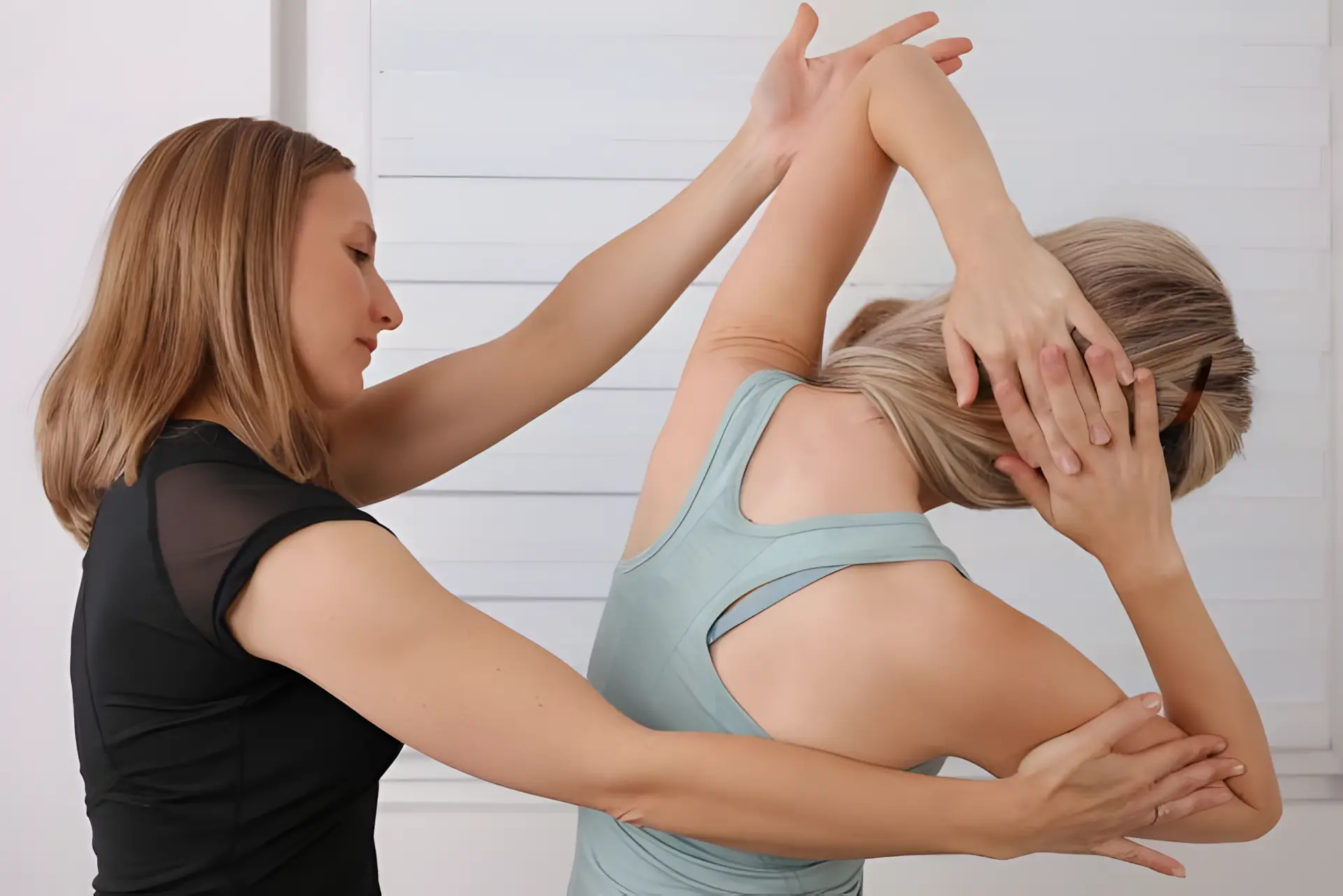
1. Manual Therapy
- Soft tissue release to reduce muscle tension on the concave and convex sides
- Joint mobilization to improve thoracic and lumbar flexibility
- Myofascial techniques to rebalance posture
2. BTL TECAR Therapy
Helps reduce muscular tension, improve circulation, and support tissue healing in areas affected by spinal curvature.
3. BTL Ultrasound Therapy
Reduces muscle stiffness and improves flexibility around the spine, especially in areas of imbalance.
4. BTL Electrotherapy
Supports muscle activation, reduces pain, and enhances neuromuscular control.
5. Corrective Exercise Therapy
Programs typically include:
- Strengthening weak muscles on the stretched side of the spine
- Stretching tight muscles on the compressed side
- Spinal mobility and stability exercises
- Postural correction and alignment retraining
- Breathing exercises to improve rib mobility
6. Core Stabilization Training
- Exercises targeting deep abdominal and spinal muscles
- Training to improve trunk control and balance
Recovery & Expectations
Scoliosis cannot always be fully corrected, but rehabilitation significantly reduces pain, improves posture,
and enhances daily function. Early intervention provides better long-term outcomes, especially in younger patients.
In Our Centre…
At AwaHope, we use a comprehensive rehabilitation approach combining manual therapy, advanced physiotherapy technologies,
and targeted exercise programs to help manage scoliosis effectively. Our goal is to optimize spinal alignment,
strengthen supporting muscles, and improve overall quality of life.






