
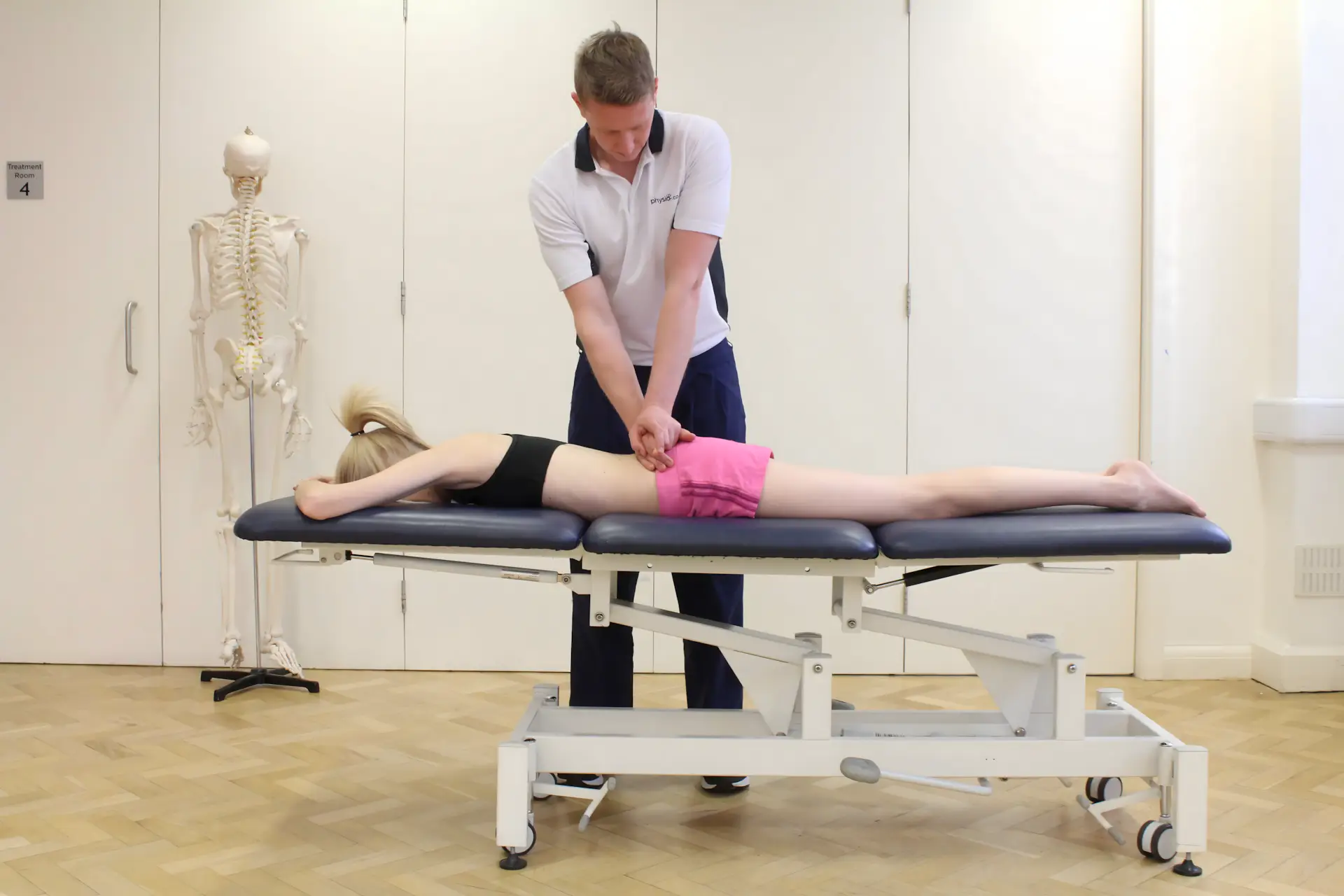
What is a Spinal Fracture?
A spinal fracture occurs when one or more vertebrae in the spine break or collapse due to trauma, osteoporosis,
high-impact accidents, or severe stress on weakened bones.
Depending on severity, fractures can cause significant pain, reduced mobility, nerve irritation, or spinal instability.
Rehabilitation is essential after medical stabilization to restore strength, movement, and functional independence.
Symptoms
- Sharp or severe back pain, especially after a fall or accident
- Pain that worsens with standing, walking, or movement
- Reduced spinal mobility
- Muscle spasms around the injured area
- Difficulty bending or lifting
- In some cases, numbness or tingling if nerves are affected
- Stooped or hunched posture after compression fractures
Causes of Spinal Fracture
- High-impact trauma (car accidents, falls, sports injuries)
- Osteoporosis causing weakened vertebrae
- Spinal tumors weakening bone structure
- Stress fractures from repetitive loading in athletes
- Advanced spinal degeneration
Diagnosis
Diagnosis is confirmed through imaging such as X-ray, CT scan, or MRI.
Clinical examination evaluates mobility limitations, pain severity, posture, and neurological function.
Rehabilitation only begins once the spine is medically stable and cleared by the physician.
Treatment & Rehabilitation Approach
At AwaHope, rehabilitation focuses on reducing pain, improving posture, restoring strength,
and promoting safe movement while protecting the healing spine.
Programs are customized according to fracture type, stability, and the patient’s level of recovery.
Treatment Methods
1. Pain Management & Gentle Mobilization
- Safe movement patterns to avoid stressing the healing vertebra
- Gentle mobility exercises within a protected range
- Breathing exercises to improve rib and thoracic function
2. BTL TECAR Therapy
Helps reduce muscle tension, improve circulation, and support pain relief in surrounding soft tissues (not applied directly on unstable fractures).
3. BTL Ultrasound Therapy
Used carefully to reduce soft tissue irritation and support healing in adjacent structures.
4. BTL Electrotherapy
Provides safe pain relief and reduces muscle spasms without stressing the fracture site.
5. Posture Correction & Spinal Support Training
- Training to avoid positions that load the spine excessively
- Postural awareness exercises to protect healing vertebrae
- Education on safe techniques for sitting, standing, and transferring
6. Progressive Strengthening Program
Once safe, strengthening focuses on:
- Deep core stabilizing muscles
- Back extensor muscles for improved posture
- Hip and glute strength to reduce lumbar load
- Gradual progression to functional exercises
7. Mobility & Flexibility Exercises
- Gentle thoracic and lumbar mobility (within safe limits)
- Stretching tight muscles that increase spinal stress
- Breathing and rib mobility techniques
8. Gait & Balance Retraining
- Improving walking confidence and endurance
- Correcting compensatory movement patterns
- Training balance to reduce future fall risk
9. Heat & Cold Therapy
- Cold to reduce inflammation during early recovery
- Heat later to relax surrounding muscles
Recovery & Expectations
Recovery time depends on the type and severity of the fracture.
With guided physiotherapy, most patients regain mobility, strength, and daily function safely.
The goal is to prevent future fractures, improve posture, and restore confidence in movement.
In Our Centre…
At AwaHope, we provide structured, safe, and personalized rehabilitation for spinal fractures using
advanced physiotherapy technologies and expert clinical guidance.
Our aim is to support healing, reduce pain, and help patients return to normal life with improved spinal stability and posture.






